
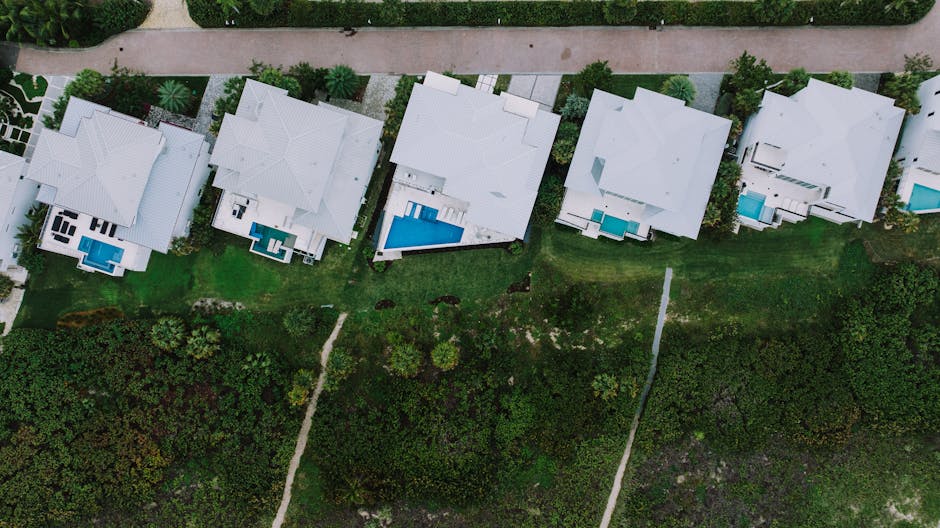
Roof color seems like an aesthetic choice — and it is — but in Florida it’s also an energy choice, an HOA-rule-compliance issue, an insurance consideration, and a resale-value factor. The same shingle in two different colors can produce noticeably different attic temperatures and cooling bills in this climate. This guide walks through how to think about the choice across the dimensions that actually matter for a Florida home.
The Energy Question First
Roof color affects how much solar radiation the roof absorbs versus reflects. In Florida, where cooling load is the dominant household energy cost most of the year, this matters.
How Much Difference
Dark roofs (black, dark brown, dark gray) absorb roughly 90% of solar radiation hitting the surface. Light roofs (white, light tan, light gray) reflect 60-80% of it. The temperature difference at the roof surface in Florida summer between dark and light can exceed 50°F.
That temperature difference doesn’t translate 1:1 to attic temperatures or cooling bills — insulation, ventilation, and HVAC efficiency all moderate the effect. But the impact is real and measurable:
- A light reflective roof can lower attic temperatures by 10-30°F under direct summer sun compared to a dark roof
- Cooling costs for the affected building section can drop 10-25% for the summer months
- Roof material lifespan extends because the material doesn’t bake as hot
Over the 20-30 year lifespan of a roof, these effects compound to meaningful financial impact in Florida specifically. A homeowner running AC eight months a year is not a homeowner who should ignore roof color.
“Cool Roof” Designations
Many roofing materials are available in formally-designated “cool roof” colors — meeting Energy Star or similar standards for solar reflectance. These designations have meaningful test data behind them and can earn modest insurance or tax credits in some jurisdictions. When choosing roof color, asking whether the color qualifies as “cool roof rated” is a useful question.
Aesthetic Choice
Energy is one input. Aesthetics are another — and on a Florida home, aesthetics include the architectural style, the surrounding context, and the homeowner’s preferences.
Roof Color and Florida Architectural Styles
Different architectural styles have traditional color expectations:
- Spanish/Mediterranean — tile roofs in terracotta, red, or earth tones; light walls
- Modern/contemporary — metal roofs in dark or light depending on overall design intent
- Traditional ranch/colonial — typically light to medium architectural shingles in tans, grays, browns
- Florida cracker/coastal cottage — light or weathered metal, soft pastels supported by neutral or white roofs
- Custom/architectural — anything goes; intentional color matching to walls, trim, and landscape
A roof color choice that violates the architectural language of the home looks wrong even when it’s “fine” in isolation.
Visual Match with Wall Color
Walking around the house and considering the relationship between roof color and wall color is the most useful single design exercise:
- Same color family, different intensity — generally pleasing, looks coordinated
- Contrast pairs (light walls + dark roof, or vice versa) — bold, contemporary, depends on architecture
- Earth-toned harmony — most reliable safe choice for blended visual effect
- Sharp color clashes — rarely intentional or successful
Visualizers offered by major shingle manufacturers can be useful — upload a photo of your home, see different color options applied. Imperfect but better than imagination.
HOA and Neighborhood Considerations
Many Florida neighborhoods have HOA-controlled or covenanted roofing color restrictions. Before committing to a re-roof, confirm:
- Whether the HOA has a specific approved color list for roofing
- Whether approval is required in advance of installation
- Whether changes from the existing roof color require special review
- What the timeline is for HOA review (some take weeks)
Installing a roof color that violates HOA standards can result in being required to replace it — at owner cost. This is a discoverable issue worth handling upfront.
Resale Impact
Roof color affects how a home shows to potential buyers:
- Conservative color choices (medium tones, traditional palettes) appeal to the widest buyer pool
- Bold or unusual colors may delight specific buyers but limit the audience
- Cool reflective colors are an active selling point in Florida — energy efficiency is on most buyers’ lists
- Wall color must be compatible — homes where the wall and roof colors don’t work together feel “off” to buyers even if they can’t articulate why
- Curb appeal — the roof is one of the largest visible elements of the home. Color affects whether the home looks well-maintained and intentional.
For homes that will be on the market in the next several years, lean toward broadly appealing color choices. For long-term ownership, more personal choices are less risky.
Insurance Impact
Insurance considerations are generally indirect rather than a specific color discount:
- Energy Star / cool roof colors can occasionally earn modest premium discounts in some carriers’ programs
- Documented wind-rated assemblies earn the larger insurance benefits — see Florida hurricane roof mitigation tax credits and insurance discounts for the specifics
- Roof condition matters more than color for insurance, but reflective colors can be a contributing factor
The direct insurance impact of color alone is modest. The indirect benefit through reduced cooling cost and longer material lifespan is more substantial over time.
Color Choices by Roofing Material
Asphalt Shingles
The widest color range — most manufacturers offer dozens of color blends. Architectural shingles (dimensional, premium) typically use complex multi-color blends that look more natural than single-color 3-tab shingles. Cool roof versions of most major shingle lines are available.
For roof replacement projects on Florida homes, mid-tone earth blends are popular safe choices that work with most architectural styles.
Metal Roofing
Metal roofs offer manufacturer-finished colors with Kynar (PVDF) coatings that hold color for 20-30+ years. Wide color range, with white and light tones being particularly common in Florida for the reflective benefit. Premium “cool color” metal coatings reflect more solar radiation than standard pigments of the same color, providing some heat benefit even with darker color choices.
Tile Roofing
Concrete tile in particular comes in a wide color range. Clay tile is generally limited to the natural clay colors (terracotta, red-brown, sometimes natural tan). Tile color is typically aesthetic-first rather than energy-first because of tile’s inherent thermal mass and air-gap installation.
See tile roofs in Florida for material-specific color and aesthetic considerations.
Commercial Membrane
Commercial TPO is typically white (the standard for reflective performance). EPDM is typically black. Modified bitumen can come in white-coated or standard granular gray. For commercial roofs, the color choice is mostly driven by the membrane material selection — see TPO vs EPDM vs modified bitumen for the full comparison.
Common Color Pitfalls
Mistakes worth avoiding:
- Choosing color from a small sample chip. Roof colors look very different at scale than on a sample. Use larger sample sections, full color images, or actual installed examples.
- Ignoring sun and shadow. Roofs in full sun look different than in shadow; sample the color under both conditions.
- Matching colors that fight each other. Slight color clashes that don’t bother you on the sample become unmistakable on the full home.
- Optimizing only for energy. White roof on a home with a dark architectural style looks wrong.
- Optimizing only for aesthetics. Dark roof on a Florida home in full sun has real energy costs.
The right answer balances both — pick a color that fits the home architecturally and falls toward the cooler end of acceptable options for that aesthetic.
Frequently Asked Questions
How much cooler does a white roof actually make my house?
Depends on insulation, ventilation, HVAC efficiency, and shading. In an average Florida home, switching from a dark to a reflective roof can reduce summer attic temperatures by 20-30°F and cut cooling costs by a noticeable percentage. The savings compound over the roof’s 20-30 year life.
Will color fade over time?
Yes, but the rate varies dramatically by material. Premium architectural shingles fade modestly over 10-20 years. Kynar-coated metal holds color well for 20-30+ years. Lower-quality coatings fade faster.
Can I change roof color when re-roofing?
Yes — re-roofing is the natural time to change color. Selecting a new color choice as part of the re-roof scope is standard and doesn’t add cost (within the same material category).
Should I match my color to the neighborhood?
Some matching is generally pleasing; rigid uniformity is not required. HOAs may enforce specific palettes. Bold individuality can work but limits resale appeal.
Get Color Recommendations with the Roof Bid
A re-roof project is the time to think about color carefully — not as an afterthought at the end. Steel Rudder discusses color options as part of the initial bid conversation for Florida homes across the Jacksonville metro, including World Golf Village and Palencia, including the energy implications of light vs dark, HOA considerations, and visualizer tools to preview options on your specific home before committing.