
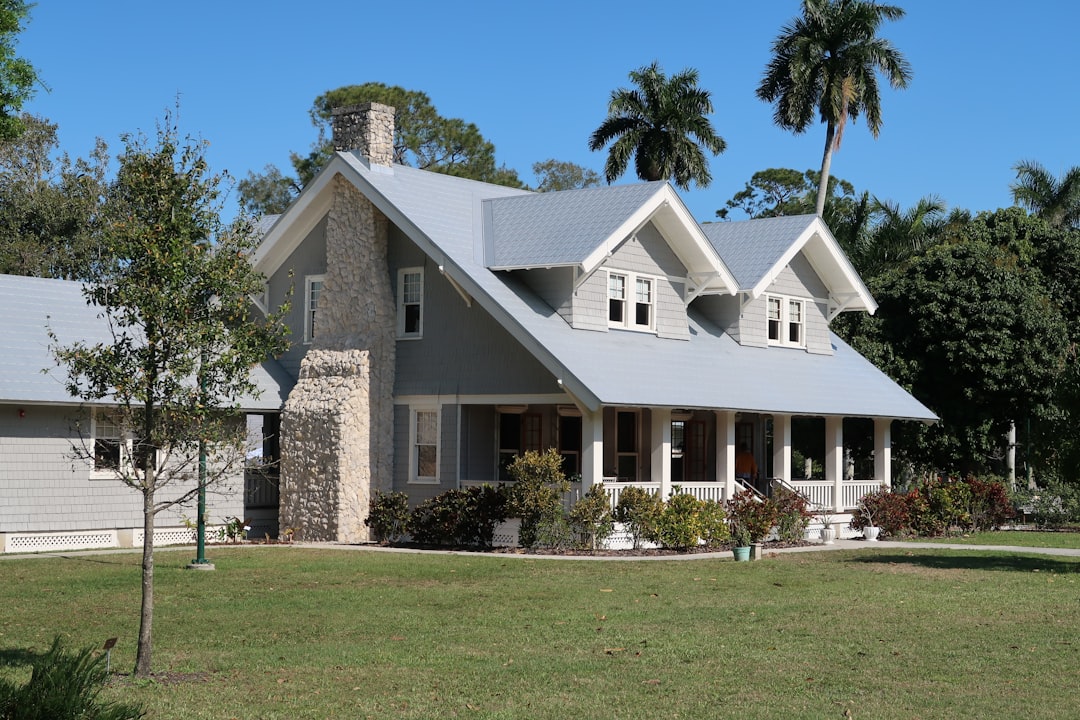
Roof restoration and roof replacement solve different problems. Restoration extends the life of a roof that is fundamentally sound by repairing surface issues, recoating, and addressing flashing. Replacement removes the old roof entirely and installs a new one. The right choice depends on the roof’s actual condition — not on what is cheaper today and not on what the contractor prefers to sell. This guide walks through the real decision criteria so Florida homeowners can choose the path that works for their roof’s situation.
What Each Approach Actually Includes
The terms get used loosely, so it is worth being precise.
Roof Restoration
A restoration project preserves the existing roof structure and surface while addressing specific deterioration. Common scope:
- Replacing damaged shingles or sections
- Repairing or replacing flashing around chimneys, vents, and skylights
- Sealing penetrations and refreshing caulking
- Cleaning algae, moss, and biological growth
- Applying a roof coating (on metal or membrane roofs) to extend life
- Addressing isolated leaks and decking damage in localized areas
Restoration assumes the underlying decking, structure, and most of the roofing material are still serviceable. It buys 5-15 additional years on a roof that would otherwise need replacement.
Roof Replacement
A replacement project removes the existing roof down to the decking and installs an entirely new roof:
- Complete tear-off and disposal of existing roofing material
- Inspection and repair of decking (replace soft, rotted, or damaged boards)
- New underlayment across the entire roof
- New roofing material (shingles, metal, etc.)
- New flashing, drip edge, and trim
- New ventilation features as appropriate
Replacement starts the lifespan clock fresh — a new 25-year shingle roof or 50-year metal roof, depending on material selection.
For historical structures, historical roof restoration is a specialized form of replacement that preserves architectural character while delivering modern roof performance.
The Decision Criteria
The right path depends on five factors taken together, not on any single one.
1. Age of the Existing Roof
- Under 10 years old: restoration is almost always the right call for isolated issues. The roof has lots of useful life left.
- 10-15 years old: depends on condition. A well-built roof in good condition can often be restored; a marginal roof may already need replacement.
- 15-20 years old: lean toward replacement unless the roof has obviously aged well and only has localized issues.
- Over 20 years old (shingles): restoration rarely makes economic sense — the underlying material is approaching end-of-life across the board.
- Metal roofs at any age under 30 years: restoration via recoating is typically the right path for a roof that has not suffered structural damage.
2. Extent of Damage
Map damage as either localized or generalized:
- Localized damage — a few damaged shingles, one bad flashing, a single penetration leak. Restoration territory.
- Generalized damage — widespread granule loss, multiple flashings failing, decking soft in multiple locations, leaks at multiple penetrations. Replacement territory.
The rule of thumb: if more than 25-30% of the roof needs work, the labor cost of restoration approaches replacement cost and you are buying half the lifespan benefit. At that point, replacement is the better economic choice.
3. Decking Condition
The decking under the roofing material is the structural layer. If decking is sound, restoration is possible. If decking is widely soft, rotted, or compromised, restoration is a temporary fix at best. A roofer doing a real inspection should test the decking in multiple areas, especially around penetrations and valleys where water tends to accumulate. Roof inspections by a competent contractor will surface decking issues that a surface-only inspection misses.
4. Code Compliance
Florida building codes have tightened significantly over the past two decades — particularly around hurricane mitigation (secondary water barriers, fastener patterns, attachment requirements). A roof installed under older codes may not meet current standards even if it is structurally sound. Two scenarios:
- Restoration on an under-code roof preserves the existing code-compliance level. Acceptable for routine restoration but a major hurricane or insurance underwriting change can later force replacement to bring the roof to current code.
- Replacement brings the roof to current code by definition, which has insurance and resilience benefits.
For roofs nearing their lifespan limit, the code-upgrade requirements during eventual replacement may be substantial. Restoring a roof that will need replacement in 3-5 years can mean paying for restoration now and a full code-upgraded replacement soon after.
5. Insurance and Resale Position
- Insurance carriers in Florida are increasingly strict about roof age. A restored roof is still as old as it was — the calendar age does not reset. If your carrier has a policy cap at 15 or 20 years, restoration does not buy you new policy eligibility.
- Resale generally rewards new roofs more than restored old ones. Buyers and their inspectors look at the install date, not the most recent restoration.
If you are planning to sell within 5 years and your roof is in the 12-18 year range, replacement typically positions the home better than restoration.
Cost Comparison
Restoration costs less per project than replacement — usually meaningfully so. The cost depends entirely on scope:
- Light restoration (replace some shingles, reseal flashing, clean roof) — modest investment, buys 3-5 years
- Comprehensive restoration (replace 20-30% of roofing material, all flashings, multiple penetrations) — middle-tier cost, buys 7-10 years
- Restoration with recoating (typical for metal or membrane roofs) — moderate cost, buys 5-10+ years
The economic comparison is not “restoration cost vs replacement cost” — it is “cost per year of roof life added.” On a 20-year-old shingle roof, $5,000 of restoration that buys 5 more years costs $1,000 per year. A $20,000 replacement that delivers 25 years of new roof costs $800 per year. The replacement is actually the better deal per year, despite the larger upfront number.
When Restoration Is Definitely the Right Call
- The roof is under 15 years old and damage is localized
- A single recent event (storm, isolated leak) caused specific damage on an otherwise-sound roof
- The decking is solid, ventilation is adequate, and the rest of the system is performing
- You plan to sell within 1-2 years and need to fix specific issues without a major capital project
- The roof is on a structure that is itself approaching end-of-life (an old outbuilding, a property scheduled for redevelopment) and full replacement does not make sense
When Replacement Is Definitely the Right Call
- The roof is past 20 years old, regardless of how it looks from the ground
- Decking is soft in multiple areas
- More than 25-30% of the surface material is damaged or deteriorated
- The roof has already been restored once and is needing major work again within a few years
- Insurance carrier is requiring replacement to maintain coverage
- You are doing a major renovation that will outlast the existing roof’s remaining life
- Energy efficiency or hurricane resilience is a priority and the existing roof predates relevant code updates
The Grey Zone (And How to Navigate It)
Many roofs land in the 12-18 year, partial-damage zone where the choice is not obvious. In this zone, the recommendation depends on what the inspection actually finds — not on what the contractor pitches.
Two practical steps for grey-zone decisions:
- Get an independent inspection that is not tied to a sales pitch. Many roofers do this for low cost or free; the report should be in writing with photos. The inspector documents what they find rather than recommending a project.
- Get bids for both paths. A real restoration bid and a real replacement bid with itemized scopes for each. Compare the cost per year of added roof life, the warranty terms, and the risk profile. The right answer often becomes obvious when both numbers are on paper.
If you are getting contradictory recommendations from different contractors (one pushes restoration, another pushes replacement), that often means the decision actually lives in the grey zone — the inspection findings allow either path defensibly. In that case, your own priorities (cost, planning horizon, risk tolerance) become the deciding factor.
Frequently Asked Questions
Can roof restoration extend a warranty?
Restoration generally does not extend the original manufacturer warranty — that warranty is tied to the original install and material. A new restoration project typically carries its own separate workmanship warranty from the contractor performing the work. Read both warranties carefully and confirm what each covers.
How long does a restoration last?
Depends entirely on scope and starting condition. A light cosmetic restoration may buy 2-5 years; a comprehensive restoration on a fundamentally sound roof can extend life 7-10 years or more. A trustworthy contractor will give a specific projected life extension in writing, not a vague “many more years.”
Will my insurance pay for restoration?
Generally yes if the restoration is addressing covered damage (storm, wind, hail) and was scoped as a repair rather than upgrade. The carrier pays for restoring to pre-loss condition, not for upgrades or extended lifespan beyond that. Roofing insurance claim assistance at the documentation stage often helps frame the work in language carriers respond to.
Is restoration just a way to delay the inevitable?
Sometimes yes, sometimes no. On a sound roof with isolated problems, restoration is the right answer and not a delay tactic at all. On an aging roof where the surface looks bad but the decking is failing too, restoration is delay — and often expensive delay. The inspection is what distinguishes the two situations.
Get an Honest Assessment
The restoration-versus-replacement decision deserves an inspection-grounded recommendation, not a sales pitch. Steel Rudder provides inspection reports and bids for both paths so Florida homeowners can choose based on real findings and real numbers. Service areas across Duval, St. Johns, and Clay counties. Service areas include Springfield and Ortega.