
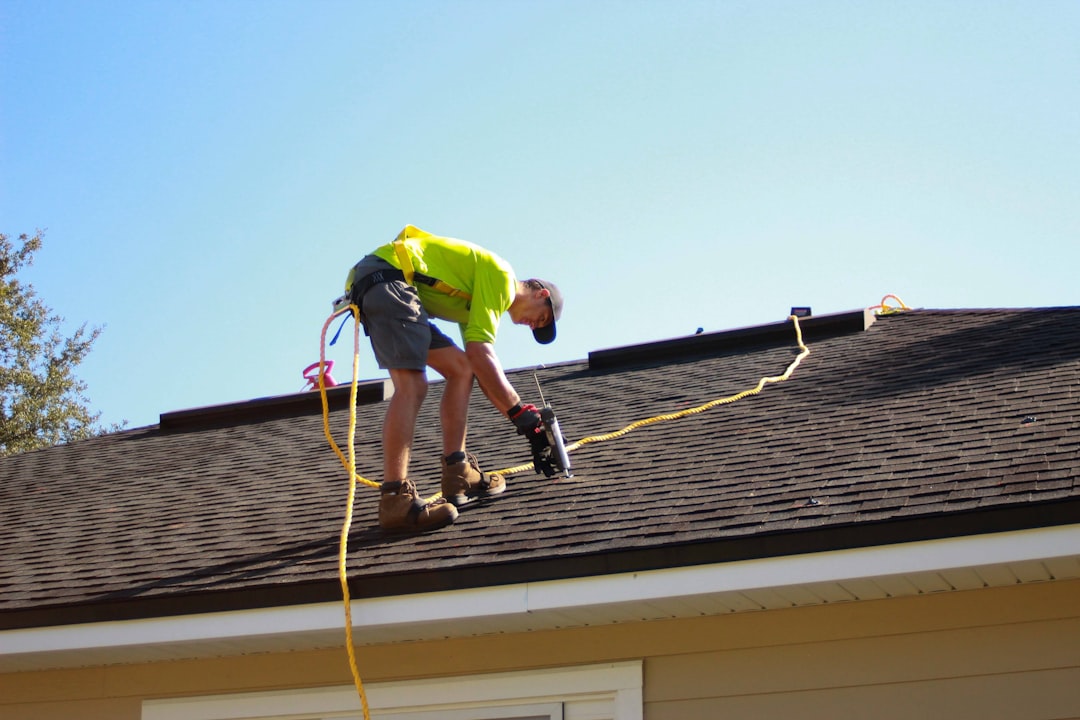
The right answer to “should I repair or replace my roof” almost always comes down to three variables: the age of the existing roof, the extent of the damage, and the condition of the decking underneath. A roof that fails any one of these tests is usually better replaced than patched, even when the visible damage seems modest. This guide walks through the decision framework Florida homeowners can use to choose with confidence.
The Three Variables That Decide
Variable 1: Age of the Existing Roof
Asphalt shingles in Florida typically last twelve to twenty years. Metal roofs often last forty to sixty. Tile and slate can last fifty or more with proper maintenance. The further into that lifespan your roof is, the harder it becomes to justify a repair.
The math is simple. A repair on a five-year-old roof preserves fifteen-plus years of remaining life — clearly worth it. A repair on a sixteen-year-old shingle roof preserves maybe four years of remaining life — at which point you are paying for a repair and then a full roof replacement shortly after. The repair money is essentially spent twice.
Once a roof is past the halfway point of its expected life, the math starts favoring replacement even when damage is moderate. Past the two-thirds point, replacement is almost always cheaper long-term than continued repair.
Variable 2: Extent of Damage
Localized damage favors repair. Widespread damage favors replacement. The rough threshold is whether more than 25 to 30 percent of the roof surface is affected.
A few missing shingles on one slope after a wind event — easy repair. The same loose shingles across all four elevations after a hailstorm — replacement is cleaner because patches on patches end up looking like a quilt and the warranty on the unaffected sections gets complicated.
Damage that crosses material types or zones is another replace signal. A failure that affects both the field shingles AND the flashing AND the underlayment in multiple spots is rarely cost-effective to patch.
Variable 3: Condition of the Decking
This is the hidden variable most homeowners do not think about. The decking is the plywood or OSB layer underneath the shingles. When it stays damp for extended periods — from a slow leak, condensation, or unrepaired storm damage — it rots from the inside out.
A repair on a roof with rotted decking is not actually a repair. The new shingles go down on top of a soft substrate, the fasteners do not hold properly, and the leak comes back within months. The only honest fix is to tear off, replace the rotted decking, and start fresh.
Roof leak detection as part of an inspection surfaces decking condition before you commit to a repair. If the inspection reveals significant decking damage, the decision tilts hard toward replacement.
The Insurance Math
Florida insurance treatment of roof repair vs replacement has shifted in the last several years, and the policy you have matters more than it used to.
Many Florida carriers now use actual cash value payouts on aging roofs rather than replacement cost value. The difference is dramatic on a fifteen-year-old roof — the carrier may only pay a fraction of replacement cost because the roof had limited remaining life. In these cases, a repair partially funded by insurance may leave you with the same patched roof and no path to a real upgrade.
Newer policies often have explicit roof age clauses limiting coverage above a stated age. If your roof is within a few years of that age threshold, the math sometimes favors replacing now while the policy still pays a meaningful share, rather than waiting until the threshold passes and the carrier has reduced obligations.
Roofing insurance claim assistance helps homeowners parse these specific policy clauses before deciding the repair-vs-replace question, because the right answer is often policy-dependent.
When Repair Is Clearly the Right Call
There are situations where repair is unambiguously correct:
- The roof is less than half its expected life and damage is localized
- Damage is limited to one slope or one section and the decking under it is sound
- The cause is clearly a single event (a fallen tree limb, a single missed flashing) rather than systemic wear
- The cost of repair is less than 20-25 percent of replacement cost
- You plan to sell the home within a few years and only need to maintain weatherproofing through that window
In these cases, a clean repair preserves the warranty on the rest of the roof and avoids unnecessary spending.
When Replacement Is Clearly the Right Call
Replacement becomes the clear answer when any combination of these applies:
- The roof is past two-thirds of expected life with significant damage
- More than 30 percent of the roof surface is affected
- The decking shows widespread rot or compromise
- You are facing a second major repair within five years — the pattern of repeated repairs is a sign the roof has reached end of life
- The insurance payout for replacement is substantial enough to make the out-of-pocket delta small
- You are switching roof types — for example, going from asphalt shingle to metal roof installation for hurricane resilience
In any of these scenarios, money spent on repair is money you will spend again on replacement within a few years anyway.
The Middle Cases
Most decisions are not extreme. A ten-year-old roof with moderate hail damage and partial decking issues falls in a middle band where the right answer depends on factors specific to your situation — how long you plan to stay in the home, your insurance policy specifics, your cash position, your tolerance for repeat repairs.
In these middle cases, the most useful move is a written inspection report from a licensed contractor that documents the actual extent of damage and decking condition. Without that report, you are guessing. With it, the math becomes concrete.
Frequently Asked Questions
How much more does replacement cost compared to repair?
Repairs typically run a fraction of full replacement cost, often less than 20 percent. The math becomes interesting when repairs start exceeding 30 percent of replacement cost or when multiple repairs are stacking up over a short period — at that point the cumulative repair spend approaches or exceeds replacement.
Will my insurance cover replacement if the damage is only partial?
Sometimes. Carriers consider repair cost-effectiveness, matching limitations (whether replacement shingles still exist that match your existing roof), and policy-specific clauses. If matching shingles are unavailable for a partial repair, some policies require the carrier to pay for full slope or full roof replacement to maintain visual consistency. Specific policy language determines this.
Can I replace just one slope of a roof?
Technically yes, but it is rarely the right call. Different roof sections age at different rates, and a partial replacement creates a mismatch that affects both appearance and warranty coverage. Most professional roofers will recommend full replacement once the project becomes more than a section-level patch.
What if I cannot afford to replace right now?
Three options: extend the existing roof with maintenance and minor repairs until cash flow allows replacement, finance the replacement through a roofer or third party, or use the next storm-damage event to trigger an insurance-funded replacement. Each has tradeoffs — financing has interest cost, waiting has continued risk, insurance-triggered timing is unpredictable. Talk it through with a roofer who will be honest about the math.
Does the type of new roof I install change the decision?
Yes — meaningfully. A switch from asphalt shingle to metal or tile generally tips the decision toward replacement because the long-term durability gains compound. Staying with the same material favors repair-when-possible because the upgrade benefit is smaller.
Schedule a Decision-Grade Inspection
The decision between repair and replacement should be made on real data, not on a contractor’s estimate before the inspection. Steel Rudder Roofing provides written inspection reports across the Jacksonville metro — Ponte Vedra, Mandarin, Atlantic Beach, and surrounding areas — that document age, damage extent, and decking condition with enough detail to make the repair-vs-replace decision concrete. Contact us to schedule.