
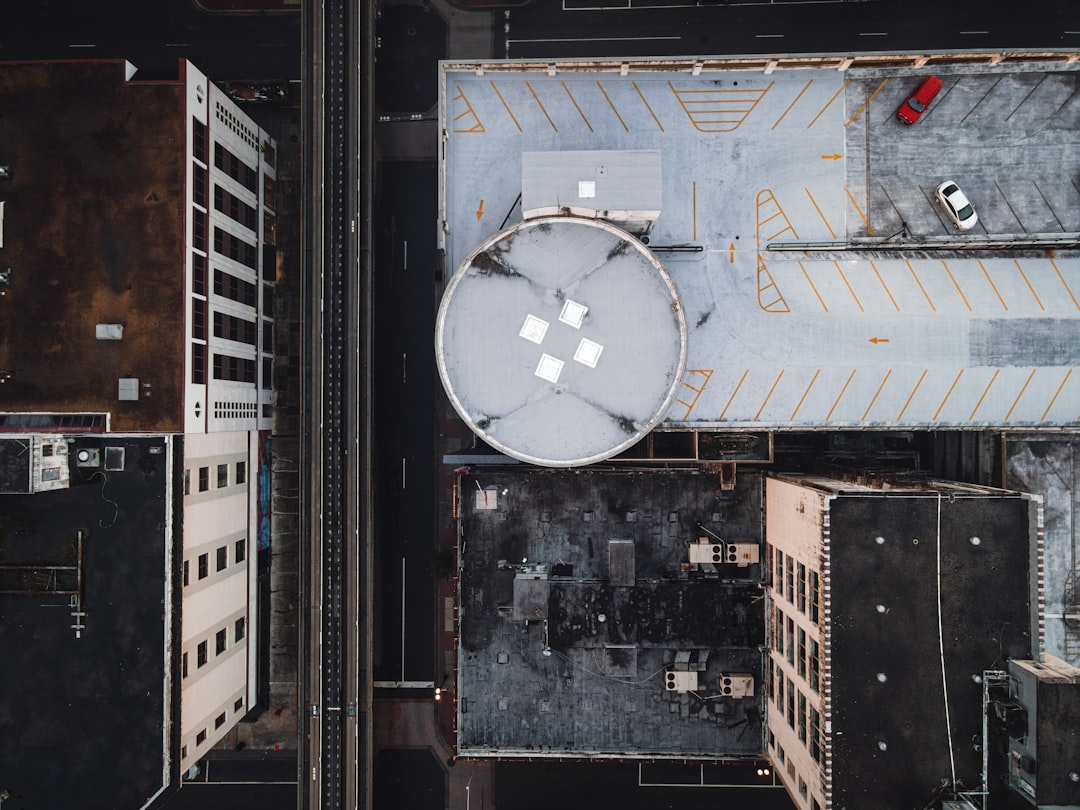
Commercial roofing in Jacksonville is a different category of decision than residential. The roof covers more square footage, carries HVAC and mechanical loads, and frequently has to outlast the original tenant’s lease. The wrong material choice locks the building into 20 years of patches, leaks, and emergency callouts. The right one is invisible — it does its job, and the property manager forgets it exists. This guide walks through the four materials that dominate Jacksonville commercial roofing, what each costs, how long each lasts in Florida conditions, and how to decide which fits your building.
The Four Commercial Roofing Systems That Matter in Florida
Most commercial buildings in the Jacksonville metro use one of four roof systems. Each handles Florida sun, rain, and hurricane wind differently.
TPO (Thermoplastic Polyolefin)
TPO is the most common single-ply membrane on new commercial construction in the Southeast. It is white (high reflectivity, which lowers cooling load), mechanically fastened or fully adhered to the decking, and seamed with heat-welded joints. A properly installed TPO roof lasts 20-30 years in Florida.
- Strengths: reflective surface cuts AC load measurably; heat-welded seams are stronger than glued seams; lighter weight than built-up systems
- Weaknesses: quality varies enormously by manufacturer and installer — a cheap TPO with a poor weld is a 10-year roof
- Best for: warehouses, retail, office buildings, schools — any flat or low-slope roof where reflective performance and quick install matter
EPDM (Ethylene Propylene Diene Monomer)
EPDM is the rubber membrane that has dominated commercial roofing for decades. It is black, comes in large sheets that minimize seams, and is glued or ballasted onto the substrate. A good EPDM roof in Florida lasts 25-30 years.
- Strengths: proven track record (40+ years of installations); fewer seams than TPO; very durable against foot traffic and punctures
- Weaknesses: black surface absorbs heat, which raises cooling costs in Florida; glued seams require more maintenance than welded ones
- Best for: retrofits and re-roofs where existing infrastructure is already designed for EPDM; buildings where the reflective surface is less critical (lower cooling load, conditioned attic spaces)
Modified Bitumen
Modified bitumen is the evolution of traditional built-up roofing. It comes in rolls with a granular surface and is torch-applied, hot-mopped, or self-adhered. A modified bitumen roof typically lasts 20 years in Florida, less if foot traffic or ponding is heavy.
- Strengths: very puncture-resistant; multi-ply systems provide redundancy; familiar to most commercial roofers
- Weaknesses: torch application is a fire risk during install; multiple layers add weight; not as reflective as TPO
- Best for: roofs with significant foot traffic (rooftop HVAC, communications equipment, regular access for maintenance)
Standing Seam Metal
Standing seam metal on commercial buildings is increasingly common for steep-slope architectural roofs (low-slope flat membrane systems are not metal). A metal commercial roof lasts 40-60 years in Florida.
- Strengths: longest lifespan of any commercial system; excellent hurricane wind rating; very low ongoing maintenance
- Weaknesses: highest upfront cost; not appropriate for flat or near-flat roofs; expansion and contraction must be engineered correctly
- Best for: retail centers with sloped architectural roofs, churches, mixed-use buildings with prominent rooflines
What Each System Costs Per Square Foot
Commercial roofing pricing is highly project-specific (size, complexity, height, decking condition, tear-off scope), but rough installed cost ranges for the Jacksonville market are useful for budgeting:
- TPO: mid-range per square foot, with a meaningful premium for thicker membrane (60-mil vs 45-mil)
- EPDM: roughly comparable to TPO, sometimes slightly less for ballasted installs
- Modified bitumen: similar mid-range, with cost driven by ply count and surfacing
- Standing seam metal: significantly higher upfront, typically two to three times the membrane systems — but the lifespan multiplier closes the gap on a 30-year cost-per-year basis
The two cost drivers most often missed in commercial bids are tear-off and decking repair. A 20-year-old TPO roof being replaced almost always reveals soft decking, deteriorated insulation, or hidden water damage. Bids that do not include a contingency line for decking are setting up a change-order conversation mid-project. Always ask: “What happens if you find rotted decking — and what is the per-board-foot rate to replace it?”
How Long Each System Actually Lasts in Florida
The published lifespan ranges assume the system is installed correctly, the building has functional drainage, and ongoing commercial roof maintenance is happening. In practice, Jacksonville commercial roofs fail early because of three things, not material failure:
- Ponding water — flat commercial roofs need slope to drain. Standing water for more than 48 hours after rain destroys any membrane system over time. New construction often gets the slope right; retrofits sometimes don’t, especially if the original drains are insufficient for current rainfall patterns.
- Poor flashing details — penetrations (HVAC curbs, vents, pipe boots, parapet walls) are where commercial roofs leak. The membrane itself rarely fails first; the flashing does. A roof with 50 penetrations has 50 potential leak points, each requiring correct detailing.
- Neglected maintenance — commercial roofs need at minimum a twice-yearly inspection and immediate repair of any issues found. Property managers who skip this catch problems at the catastrophic-leak stage instead of the small-repair stage.
A 20-year-rated TPO managed correctly will outlast a 30-year-rated one that nobody inspects.
What to Ask Before Choosing a Material
The right material depends on the building, not on what the contractor likes installing. Before you accept a recommendation, get clear answers on:
- Slope and drainage. Is the roof actually slope to current drains, or has settling created low spots? A drainage audit comes before material selection.
- Foot traffic. Will HVAC techs, antenna crews, or solar installers walk this roof regularly? Heavy foot traffic argues for modified bitumen or thicker TPO; light traffic allows lighter systems.
- Decking condition. Wood, concrete, steel deck — each has different fastener requirements and load capacities. Older buildings often have surprises.
- Insulation strategy. Re-roof is the cheapest time to upgrade insulation. Florida energy codes have tightened; bringing R-value up to current standards during the re-roof pays back in cooling savings.
- Warranty terms. Manufacturer warranty (typically 15-30 years on membrane) is separate from contractor workmanship warranty (typically 2-10 years on installation). Both should be in writing and tied to specific failure modes.
If part of the conversation is about an emergency leak that is forcing the decision now, emergency roofing can buy time with a temporary repair while the full re-roof decision gets made on a non-panicked timeline. Decisions made in a rainstorm are usually worse than decisions made over coffee a month later.
When to Replace vs. When to Repair
A commercial roof rarely needs replacement just because it has hit its rated lifespan. The decision criteria:
- Replace if more than 25% of the membrane is failing, if insulation is widely saturated, if leaks are recurring across the roof rather than concentrated at one penetration, or if the existing system is two layers deep and a third overlay is not code-permitted.
- Repair if leaks are isolated to specific flashing or penetration points, if the membrane itself is sound, and if the roof has under 15 years of installed life.
A roofer who recommends full replacement without inspecting individually-failing areas is selling, not advising. Ask for the inspection report that justifies the recommendation.
Frequently Asked Questions
How long does a commercial roof installation take?
A typical 20,000 square foot single-ply membrane re-roof in Jacksonville takes one to two weeks from tear-off to cleanup, assuming no major decking surprises and dry weather. Larger buildings or complex roofs with significant penetration work can run three to four weeks. Standing seam metal installs run longer per square foot due to the panel fabrication and detail work.
Can I re-roof while the building stays open?
Yes — most commercial re-roofs are sequenced so that occupied space stays protected. The crew works in sections, never leaving a section open overnight. Building occupants may hear the work and should expect some odor (asphalt, adhesives) depending on the system. Communicate the schedule clearly to tenants in advance.
Do I need a permit for a commercial roof replacement?
Yes, in all Jacksonville-area jurisdictions. Commercial roofing permits are required for re-roofs and significant repairs, and the project usually has to pass inspection at tear-off (decking) and again at completion. A contractor who suggests skipping the permit is exposing the building owner to insurance and liability problems.
How does a commercial re-roof affect my insurance?
A new roof typically lowers commercial property insurance premiums, especially if the new system carries a documented wind rating. Some carriers also offer credits for cool roofs (reflective membranes like white TPO). Get a wind-rating certification at install and forward it to your insurance broker.
Get a Jacksonville Commercial Roofing Quote
Commercial roofing decisions live with the building for decades. Get an inspection-based recommendation, an itemized quote that separates material, labor, tear-off, decking contingency, and warranty terms, and a clear answer on why the recommended material fits your specific building. Steel Rudder provides commercial roofing assessments and installation across the Jacksonville metro, including Southside and Westside, including Duval and St. Johns counties.