
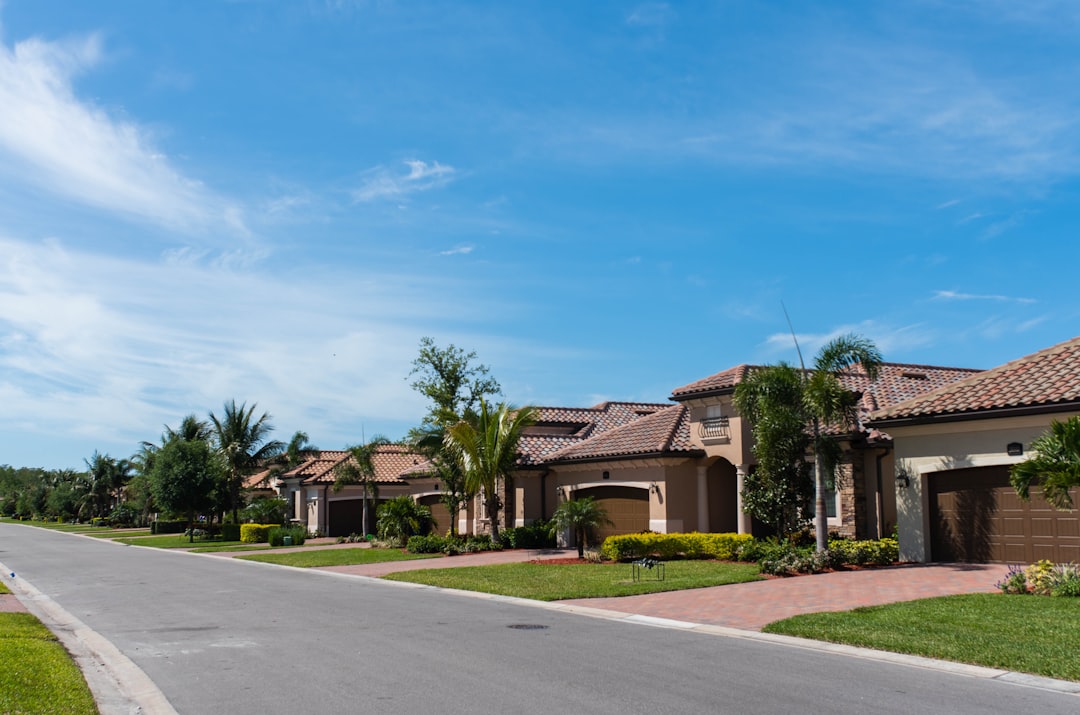
The end of hurricane season (November 30) is when Florida roofs have either survived another year or are showing accumulated wear that should be addressed before the new year begins. December and January are the best months in Florida for proactive roof work — weather is mild, contractors are less booked than peak season, and any issues found can be addressed before the next year’s storm activity starts. This checklist walks through what to inspect, what to repair, and what to document before year-end.
Why a Year-End Roof Check Matters in Florida
Three reasons the December timing is right:
- Post-storm assessment. Even if no major hurricane struck, smaller wind events, summer thunderstorms, and accumulated UV exposure all leave marks. End of hurricane season is when you find out what happened.
- Insurance and tax timing. Year-end is when many homeowners review insurance, schedule capital expenses for tax purposes, and consolidate paperwork. Roof condition feeds into all three.
- Contractor availability. Roofers are less booked in December-February than in storm season or spring rush. Scheduling work or inspections is easier.
A year-end roof check isn’t about doing major work — it’s about catching issues before they grow into emergencies during the next storm season.
The Checklist
Work through each item. Mark issues as you find them. The full inspection takes 30-60 minutes for a typical home, more if anything is found.
1. Exterior Visual Inspection (From the Ground)
Walk the perimeter of the home with binoculars. Look up at the roof from each elevation:
- Missing or visibly damaged shingles — gaps, curled corners, lifted edges
- Sagging or undulating roofline — visible from a distance, indicates structural concerns
- Algae streaks or staining — dark streaks particularly on north-facing slopes
- Granule accumulation in gutters — sand-like material in gutters indicates shingle wear
- Damaged or displaced edge metal — drip edge sections bent, missing, or pulled away
- Visible flashing problems at chimneys, vents, skylights — bent, rusted, or separated metal
- Pipe boot condition — visible cracking, rubber pulling away from pipe
- Tree branches contacting or hanging over the roof — schedule trim if any contact
2. Gutter and Drainage Check
- Clean all gutters of accumulated leaves, debris, and granules
- Test downspout flow by running water through; confirm no clogs
- Check downspout discharge — water should exit at least 4-6 feet from foundation
- Inspect gutter fasteners and condition — loose, sagging, or pulling away sections need attention
- Check for ice (rare in Florida) or unusual water trails on adjacent walls or fascia
3. Attic Inspection
This is the highest-information part of the checklist. With a flashlight, in the attic, look for:
- Water stains on the underside of the decking — particularly around pipes, vents, chimneys, valleys
- Damp insulation or visible mold — investigate the moisture source
- Daylight through the decking — pinpoints of light indicate holes
- Pest activity — droppings, nests, chewed insulation; entry points usually trace to soffit/fascia gaps
- Adequate ventilation — soffit vents clear, ridge vent visible from inside, balanced airflow
- Attic temperature — on a warm day, attic should be within 20°F of outside; if much hotter, ventilation is inadequate
4. Interior Ceiling Check
Walk through every room and look up:
- New water stains since last check — note location, size, and conditions
- Bubbling or peeling paint on ceilings — typically slow moisture infiltration
- Cracks in ceiling near walls — usually structural settling, sometimes roof-load-related
- Smell of mustiness in closets or corners below the roof — investigate moisture source
5. Soffit and Fascia Check
- Visible paint failure — peeling, blistering, cracking on wood components
- Soft or sagging soffit panels — rot or wildlife damage
- Loose or dangling fascia sections — usually wind damage or rot
- Wildlife entry holes in soffit areas
6. Penetration Inspection
Specifically examine each roof penetration if visible:
- Plumbing vent pipes (pipe boots) — most common failure point; see pipe boot replacement
- HVAC vents and equipment — flashing intact, no separation
- Chimney — flashing in place, no visible separation at the wall
- Skylights — frame intact, no visible water staining on interior of glass
7. Documentation
Photograph everything you check, dated. This serves three purposes:
- Insurance baseline — pre-storm condition documentation for future claims
- Trend identification — comparing year over year reveals slow changes
- Contractor briefing — if work is needed, photos help quote the scope
Store photos in a place that survives device loss (cloud storage, dedicated folder).
What to Address vs. What to Schedule
Findings fall into categories:
Address Immediately (this week)
- Active leak with interior water
- Missing shingles in significant quantity
- Open seam in any wet-season month
- Detached coping cap or edge metal
- Clogged gutters (do the cleaning now)
Schedule Within 30 Days
- Cracked or aging pipe boot
- Minor flashing degradation
- Worn sealant at HVAC curb perimeter
- Visible algae growth (schedule soft wash)
- Damaged sections of soffit/fascia
- Loose or dangling gutter sections
Plan for Spring (Before Hurricane Season)
- Generalized roof aging on a roof approaching end-of-life
- Major decking concerns from attic inspection
- Need for full inspection by a licensed roofer
- Cosmetic upgrades (color, accessories)
- Planned re-roof if roof is approaching 20+ years
Document and Monitor
- Cosmetic-only findings (slight color fade, chalking)
- Minor uniform wear that’s normal for roof age
- Conditions to watch but not act on yet
When to Bring in a Professional
DIY visual inspection catches a lot but misses what isn’t visible from the ground or attic. A professional inspection should be scheduled if:
- The roof is 10+ years old and hasn’t had a recent professional inspection
- Any major findings in your DIY check that need expert evaluation
- After any storm damage that may not be visibly significant from below
- Before selling the home — pre-listing inspection prevents buyer surprises
- Before considering a renovation that affects the roof
- For insurance documentation — many carriers prefer or require recent inspection reports
Roof inspections at year-end are typically less busy than peak season, so scheduling is easier and contractors have time to do thorough work.
Year-End Insurance Review
While you’re thinking about the roof, also review:
- Current insurance policy — coverage limits, hurricane deductible, roof age clauses
- Wind mitigation inspection status — is yours current (within 5 years)? If not, schedule an update; see Florida hurricane roof mitigation tax credits and insurance discounts
- Recent updates worth claiming — new windows, doors, generator, etc. may qualify for additional discounts
- Replacement cost vs actual cash value — for older roofs, understand whether you’re covered for full replacement or just depreciated value
A 30-minute insurance review at year-end often saves hundreds in annual premiums or surfaces gaps before they matter.
Year-End Roof Project Considerations
If your roof is approaching the age or condition where replacement is in your near future, December-February is an excellent time to:
- Get itemized quotes without the rush of storm season
- Compare contractors at their normal pace, not panicked timelines
- Plan financing if the project will be substantial
- Schedule the work for spring before next hurricane season starts
A roof replacement decision made calmly in winter typically goes better than the same decision made in panic after a storm. If you’re in the gray zone — see roof restoration vs replacement: how Florida homeowners choose the right path for the decision framework.
Frequently Asked Questions
How long does a year-end roof check take?
A homeowner DIY visual inspection plus attic check takes 30-60 minutes for a typical home. A professional inspection takes 60-90 minutes for a residential roof. Documentation adds 15-30 minutes.
What if I find significant issues?
Don’t panic — most findings are addressable. Document, prioritize per the categories above, get quotes for any significant work, and schedule by urgency. Most “significant” findings have weeks-to-months before they become urgent, if any.
Do I need to do this every year?
For roofs over 10 years old — yes, annually. For newer roofs — every other year is often sufficient, with attention after any major storm.
Will my insurance recognize this checklist?
Carriers generally accept dated photographic documentation as evidence of pre-event condition. A homeowner self-inspection isn’t equivalent to a licensed inspection report, but the photos serve real evidentiary purpose for future claims.
Schedule Professional Year-End Inspection
For roofs that haven’t had professional eyes on them recently, December and January are ideal months for inspection. Steel Rudder provides year-end roof inspections across the Jacksonville metro, including Jacksonville Beach and Atlantic Beach, with photographic documentation, prioritized findings, and clear scope recommendations for any work needed before next year’s storm season.