
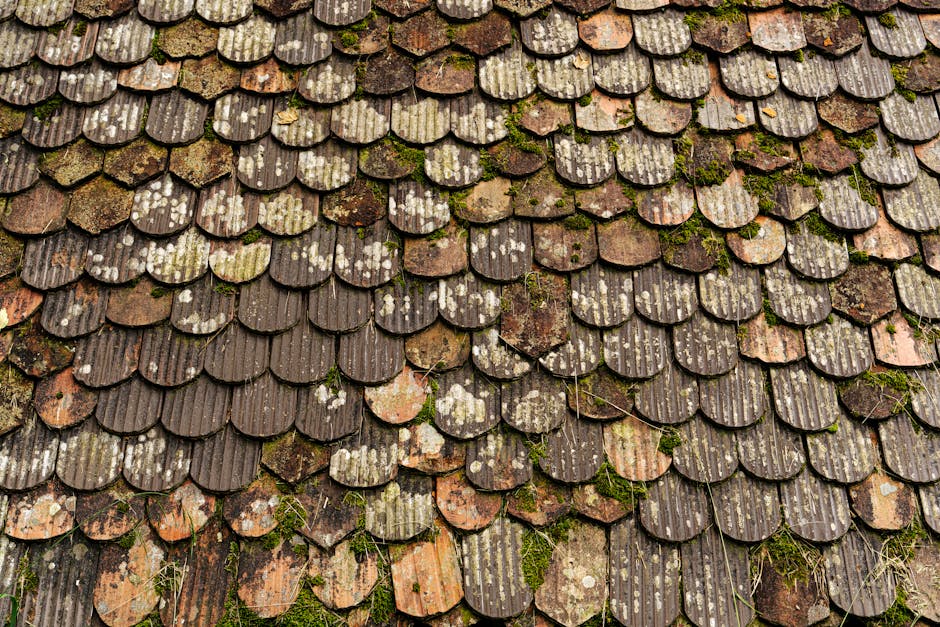
Those dark streaks running down your shingles are not dirt. They are colonies of algae — specifically a cyanobacteria called Gloeocapsa magma — that thrive in Florida’s humid, warm climate. Beyond the cosmetic problem, the algae shortens roof life by retaining moisture and accelerating granule loss. The standard DIY response — power-washing with bleach — often makes things worse, damaging the roof more than the algae itself does. This guide covers what’s actually happening, why it matters, and how to remove and prevent algae without shortening your roof’s life in the process.
What Those Black Streaks Actually Are
The dark streaks on Florida roofs are biological colonies. The dominant organism is Gloeocapsa magma, a cyanobacteria that has been on Earth for billions of years and tolerates conditions most life forms don’t. It needs:
- Moisture — Florida humidity provides this continuously
- Mild warmth — Florida temperatures are ideal
- Limestone or calcium-rich surfaces — modern asphalt shingles contain limestone filler in the granular surface
- Some sunlight — but not extreme heat (which is why algae prefers the north-facing slope and shaded areas)
These conditions describe almost every Florida roof.
The algae starts as small dark spots, typically on the north-facing slope or under tree shade. Over months and years, the colonies grow and the dark areas spread. Eventually they form the characteristic black streaks running vertically down the roof — caused by rain washing algae cells down the slope, where they re-establish colonies further down.
Alongside algae, other organisms can colonize Florida roofs:
- Moss — green plant growth, typically in shaded damp areas
- Lichen — symbiotic algae-fungus organism, looks like crusty patches
- Mildew/mold — usually associated with persistent moisture issues
Algae is by far the most common in Florida.
Why Algae Is More Than a Cosmetic Issue
Many homeowners ignore algae as purely aesthetic. It’s not. The algae actively damages the roof:
- Moisture retention. Algae colonies hold moisture against the shingle surface long after rain has stopped. The shingle stays wet longer, accelerating UV damage and material aging.
- Granule loss. Algae consumes the limestone in shingle granules as a food source. As granules erode, the asphalt underneath is exposed to UV — which destroys the shingle material rapidly.
- Temperature retention. Darker algae-covered areas absorb more heat, raising attic temperatures and stressing the roof system.
- Insurance and resale impact. Heavily stained roofs can lower property valuations and trigger concerns from prospective buyers or insurance underwriters about overall roof condition.
A roof that gets algae-treated regularly outlasts one that doesn’t, even when the underlying material quality is identical.
Why DIY Power-Washing Damages the Roof
The instinct when seeing algae is to scrub or pressure-wash. Both make things worse on a Florida shingle roof.
Pressure Washing
A typical pressure washer at residential PSI strips granules from the shingle surface — sometimes massive amounts of granules. The black streaks may temporarily disappear, but you’ve removed the protective layer that gives the shingle its lifespan. Within a few years, the bare asphalt fails and the roof needs premature replacement.
Visible signs of pressure-wash damage:
- Loose granules in gutters and at downspouts
- Dark, bare patches where the granular surface has been stripped
- Shiny or shiny-spot appearance on shingles
- Accelerated UV-bleaching of stripped areas
Bleach (Sodium Hypochlorite)
Bleach kills algae effectively. It also damages everything else:
- Kills landscaping where runoff lands
- Stains adjacent siding, gutters, walkways
- Degrades roofing material if too concentrated
- Damages metal flashing, especially copper and aluminum
- Hazardous to applicators without proper equipment
- Regulated chemical that can run off into protected waterways
Bleach-based DIY treatments often look successful initially. Months later, granule loss and material damage become apparent.
The Safe Way to Remove Algae
The professional standard for safe algae removal is soft washing — low-pressure application of a specialized roof-safe biocide solution.
How it works:
- Wet down surrounding landscaping before treatment to dilute any runoff
- Apply specialized soft-wash solution to the roof using low-pressure equipment — typically a pump sprayer at 30-100 PSI, far below pressure-washing pressures
- Let the solution dwell for 15-30 minutes to kill the algae colonies
- Rinse with low pressure — just enough to wash dead algae cells away, without stripping granules
- Apply protective treatment to slow regrowth
The key differences from DIY pressure washing:
- Pressure is low enough to not damage the shingle surface
- Solution is roof-specific — typically a stabilized sodium hypochlorite formulation with surfactants and rinse-aids designed for asphalt shingles, not generic bleach
- Applicator knows the dilution for your specific shingle type and age
- Surrounding area is protected from chemical runoff
Soft washing eliminates the visible streaks without the granule loss that pressure-washing causes. Done correctly, the roof looks like new.
Prevention: Zinc and Copper Strips
The best long-term algae prevention is metal strips installed at the roof ridge. Both zinc and copper work the same way: rainwater passing over the metal picks up trace metal ions, which are toxic to algae as they wash down the slope. Algae colonies cannot establish or persist in the path of the metal-laden water.
Zinc Strips
- Most common option for Florida residential roofs
- Effective up to about 15 feet of slope below the strip
- Easy to install during a re-roof or as a retrofit
- Modest cost, multi-decade lifespan
Copper Strips
- More effective per unit of metal, longer-acting
- Also more expensive
- Develops attractive green patina visible from ground
- Often used on premium properties or in combination with copper accents
Either material reduces algae regrowth dramatically. A roof that has been soft-washed and then protected with zinc or copper strips typically stays clean for many years before any retreatment is needed.
Frequency of Treatment
In the Florida climate, even with prevention, periodic treatment is appropriate:
- Initial soft-wash removes existing algae
- Re-treatment every 3-5 years typical without metal strips
- Re-treatment every 7-15 years typical with zinc or copper strips installed
- Visual inspection annually to catch any early regrowth
The cost of periodic professional soft-wash treatment is small compared to the lifespan extension it provides versus an algae-covered roof that ages prematurely.
When Algae Means More Than Algae
Occasionally, an algae problem hides a more serious roof issue. Worth checking for:
- Persistent dampness in algae areas can indicate ventilation problems. Algae growing on the south slope (which should be too sunny for algae) sometimes indicates moisture trapped under shingles. See roof ventilation in Florida for related diagnostic considerations.
- Algae growing densely near roof penetrations can indicate leaks that are providing the moisture
- Heavy algae plus lifted or curled shingles often points to a roof approaching end-of-life
If algae appears suddenly on a roof that previously stayed clean, something else has changed — the cleaning is treating the symptom rather than the underlying issue. A roof inspection catches these underlying issues.
What Not to Do
Common DIY mistakes:
- Don’t power-wash. Even on the lowest setting, the equipment is designed for harder surfaces than roof shingles.
- Don’t apply household bleach undiluted. Even at moderate dilutions, household bleach is hard on roofing material and surrounding landscaping.
- Don’t scrub by hand. Mechanical scrubbing removes granules faster than power-washing.
- Don’t paint or coat shingles. Aftermarket roof coatings designed to “renew” appearance often void warranties and damage the underlying material.
- Don’t ignore. Untreated algae shortens roof life. The longer you wait, the more granule loss occurs.
Frequently Asked Questions
How much does professional roof soft-washing cost?
Cost depends on roof size, complexity, and any prevention treatments included. A standard residential roof in Florida typically falls in a modest range — far less than the cost of premature roof replacement that DIY pressure-washing can cause.
Will algae come back after treatment?
Yes — Florida conditions favor algae growth. Soft-washing kills the existing colonies; prevention (zinc/copper strips) slows regrowth. Even with prevention, expect periodic re-treatment. Without prevention, regrowth can be visible within a year or two.
Does insurance cover roof cleaning?
Generally no — routine roof maintenance is not a covered loss. Insurance covers damage from covered perils, not cosmetic or maintenance items.
Can I just paint over the algae?
No. Paint over algae fails as the underlying organism continues to grow and the shingle ages. Paint also voids most manufacturer warranties on shingle roofs.
Get Safe Algae Removal
If your roof has visible dark streaks, get an estimate from a roofing professional who specifically offers soft-washing — not power-washing. The right treatment removes the algae, preserves the granules, and protects against regrowth. Steel Rudder coordinates with specialized roof cleaning services across the Jacksonville metro, including Mandarin and Julington Creek for soft-wash treatment, zinc/copper strip installation, and the inspection follow-through that confirms the underlying roof is sound.