
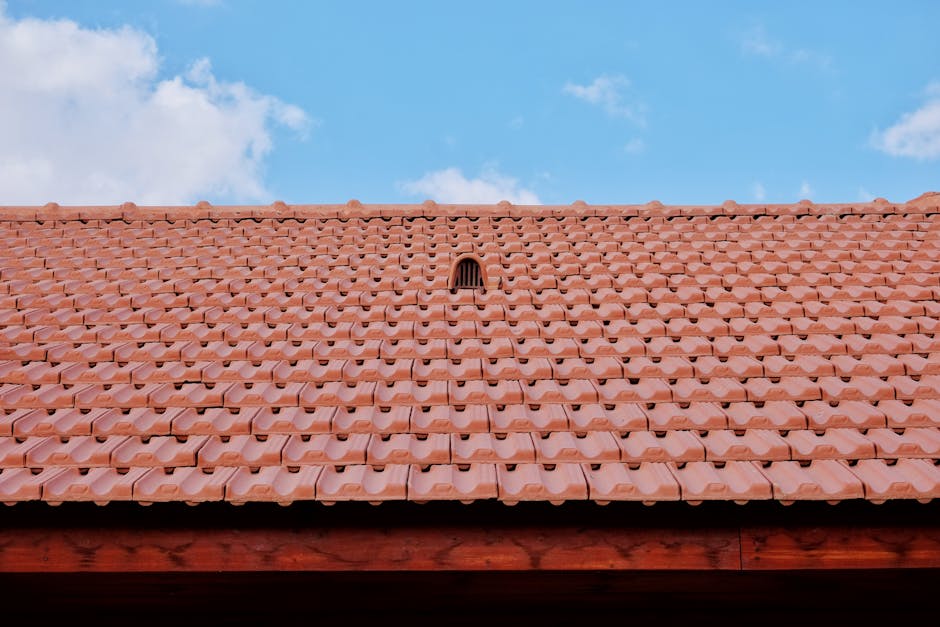
Tile roofs are iconic in Florida — the Spanish-influenced architecture of much of the state was built around them. They are also expensive, heavy, and require specific structural support. Three materials dominate the Florida tile market: concrete, clay, and synthetic. Each has different cost, lifespan, weight, and aesthetic implications. This guide walks through how to choose between them and when tile is genuinely the right choice over shingles or metal.
Why Tile in Florida Specifically
Tile roofs work in Florida for reasons that are both practical and aesthetic:
- Heat performance. Tile creates an air gap between the tile and the underlayment, allowing airflow that reduces heat transfer to the attic. In Florida summer, this matters.
- Storm resistance. Properly installed concrete or clay tile, fastened to current FBC standards, withstands hurricane-force winds well.
- Architectural fit. Spanish, Mediterranean, and many other Florida architectural styles depend on tile as a defining visual element.
- Lifespan. A properly installed tile roof can last 50-100 years — meaningfully longer than shingles or even metal in many cases.
Tile is not the right answer for every Florida home. But for the right home, it’s the best-performing option available.
Concrete Tile
The dominant tile material in modern Florida residential construction. Manufactured concrete tile is cast in a wide variety of shapes and colors, including profiles that mimic clay barrel tile, flat slate, or shake.
Strengths
- Cost. Less expensive per square than clay or premium synthetic — typically the most affordable real tile option
- Variety. Shapes and colors are produced in wide variety to match Florida architectural styles
- Strength. Modern concrete tile is highly durable against impact, foot traffic, and wind
- Lifespan. Properly installed concrete tile in Florida lasts 40-60+ years
- Storm performance. Excellent when installed to current FBC fastening standards
Weaknesses
- Weight. Concrete tile weighs roughly 9-12 pounds per square foot. The roof structure must be designed or upgraded to handle it. Most existing Florida homes with shingle roofs cannot accept a tile re-roof without structural reinforcement.
- Color fade. Surface coloring (especially on lighter colors) fades over decades. The base concrete shows through as fading progresses.
- Surface cracking. Individual tiles can crack from impact (falling branches, foot traffic). Replacement of individual tiles is straightforward but requires careful matching.
Best for
- New construction where the structure is designed for tile load
- Re-roofs replacing existing concrete or clay tile (structure already supports the weight)
- Florida architectural styles that depend on the tile aesthetic (Spanish, Mediterranean)
- Long-term owners where the 40-60 year lifespan justifies the cost premium
Clay Tile
Traditional fired clay tile — the original material. Higher-end and more historically authentic than concrete.
Strengths
- Authenticity. For historical restoration or architecturally-correct Spanish/Mediterranean homes, clay is the genuine material
- Color permanence. Clay color is in the material itself, not a surface coating. Doesn’t fade over decades.
- Very long lifespan. Clay tile commonly lasts 75-100+ years
- Beautiful patina. Develops character with age that other materials don’t replicate
- Excellent fire resistance. Class A fire rating
Weaknesses
- Cost. Highest upfront cost among common Florida tile options
- Weight. Similar to concrete — 9-12 pounds per square foot, same structural requirements
- Brittleness. More fragile than concrete tile. Individual tiles can crack from foot traffic, falling debris, or hailstone impact more easily.
- Replacement matching. Older clay tile lines may be discontinued; finding matching replacement tiles for repairs can be difficult.
- Limited shapes. Traditional clay tile is typically barrel or S-shape; the variety of concrete profiles isn’t matched in clay
Best for
- Historical homes where authenticity matters — see historical roof restoration for context on preserving original character
- High-end new construction with the architectural style and budget to support it
- Owners with very long planning horizons (multi-generational ownership)
- Florida architectural styles where the specific look of clay (vs concrete imitation) is important
Synthetic Tile
Newer category — composite materials designed to mimic the appearance of clay or slate while reducing weight and cost. Materials include polymer composites, recycled rubber blends, and similar.
Strengths
- Weight. Synthetic tile typically weighs 3-6 pounds per square foot — roughly half of concrete or clay. Many existing roof structures can accept synthetic tile without reinforcement.
- Impact resistance. Polymer-based synthetics are more impact-resistant than clay; less likely to crack from branches or foot traffic
- Color retention. Modern synthetics use UV-stable pigments throughout the material; color holds up well
- Easier installation. Lighter weight, more forgiving handling, faster install
- Cost. Premium synthetic costs less than clay but more than basic concrete; budget synthetic is cheaper than concrete
Weaknesses
- Aesthetic authenticity. Best synthetics closely mimic real tile, but trained eyes can typically distinguish. For historical authenticity, synthetic is not appropriate.
- Track record. Newer category. Long-term lifespan claims (50+ years) are based on accelerated testing rather than 50 years of field experience.
- Quality variance. Big differences between premium and budget synthetic products. Quality matters more than category.
Best for
- Existing homes where the structure cannot support concrete or clay tile weight
- Hurricane-prone applications where lighter weight reduces failure risk
- Owners who want the tile aesthetic without the weight premium
- New construction where slight aesthetic compromise is acceptable for cost savings
Structural Considerations
The single biggest constraint on tile in Florida is structural. Concrete and clay tile weigh roughly twice as much as asphalt shingles. The roof structure must support this load.
For new construction: design accommodates the chosen tile weight from the start.
For re-roofs from shingle to tile: a structural engineer should evaluate the existing structure. Many older homes need reinforcement (additional rafters, modified roof framing) before tile can be installed. This adds substantial cost.
For re-roofs replacing existing tile: the structure already supports the load. Concrete-to-clay or concrete-to-concrete is structurally straightforward.
Synthetic tile changes this calculation. Many existing shingle roofs can accept synthetic tile without structural modification, which can swing the cost analysis significantly.
Hurricane Performance
Tile in Florida has a complicated hurricane history. Older installations (pre-2002 or so, before FBC tightening) often failed in major hurricanes — individual tiles became airborne projectiles, causing damage to surrounding structures and homes.
Modern tile installations using current FBC fastening standards perform very well in hurricanes. The key changes:
- Mechanical fastening of every tile rather than relying on adhesive or gravity
- Specific fastener pattern at perimeters and corners where wind uplift is highest
- Underlayment improvements including peel-and-stick membrane (see roof underlayment in Florida)
- Engineered hip and ridge details
A modern tile install qualifies for wind mitigation insurance credits the same as other proper roofing systems. An older tile install without current fastening may not, and can even disqualify a home from coverage with some carriers. This makes a re-roof from old tile to modern-spec tile (or a different material) worth evaluating for older Florida homes with original tile.
Cost
Rough installed cost ranges in the Jacksonville Florida market:
- Asphalt shingles (for reference) — baseline
- Concrete tile — roughly 2x shingles installed cost
- Clay tile — roughly 2.5-3x shingles
- Synthetic tile — varies widely; budget options approach shingles, premium options approach clay
- Structural reinforcement (if needed) — significant additional cost, sometimes equal to the tile material cost itself
The full project cost matters more than per-square-foot material pricing. Get itemized bids that separate tear-off, structural work (if any), underlayment, tile material, install labor, and warranty terms.
For a clean material comparison, asphalt shingles vs metal roofing in Florida provides context for the two non-tile options — useful for triangulating tile against the alternatives.
When Tile Is the Right Choice
Tile makes the strongest case for:
- Florida architectural styles where tile is the design language
- Long-term ownership where the 50+ year lifespan amortizes the cost premium meaningfully
- Homes already designed (or being designed) for tile load
- Owners who place high value on appearance and curb appeal
- Premium properties where the tile signals quality
Tile makes a weaker case for:
- Shingle-roofed homes that can’t bear the structural load without expensive modification
- Short-term ownership where the cost premium doesn’t recover at sale
- Architectural styles that don’t naturally accommodate tile aesthetics
- Tight budgets where the cost premium would force corner-cutting elsewhere
Frequently Asked Questions
How long does tile actually last in Florida?
Properly installed concrete tile: 40-60+ years. Clay tile: 75-100+ years. Synthetic tile: manufacturer claims 50+, real-world data points to 30-50 with the best products. The underlayment underneath needs replacement well before the tiles themselves do — often 25-30 years on a long-life tile roof.
Can my roof structure support tile?
For existing shingle-roofed homes — usually not without structural assessment and possible reinforcement. A licensed contractor and structural engineer can evaluate. Synthetic tile sometimes works without reinforcement; concrete or clay rarely does.
Can broken tiles be replaced individually?
Yes — individual tile replacement is straightforward when matching tiles are available. Concrete tile lines are typically available for decades. Clay tile from older installations can be harder to match exactly.
Are tile roofs noisier in rain?
No — properly installed tile is comparable to or quieter than other materials. The air gap and underlayment together dampen sound effectively. The “loud tile” stereotype isn’t accurate for modern installations.
Get a Tile Roof Assessment
A tile roof decision involves structure, aesthetics, budget, and long-term planning. Steel Rudder evaluates tile feasibility for Florida homes across the Jacksonville metro, including San Marco and Riverside, including structural assessment, material recommendation by use case, and bid scopes that separate the tile material decision from the install scope and any required reinforcement work.