
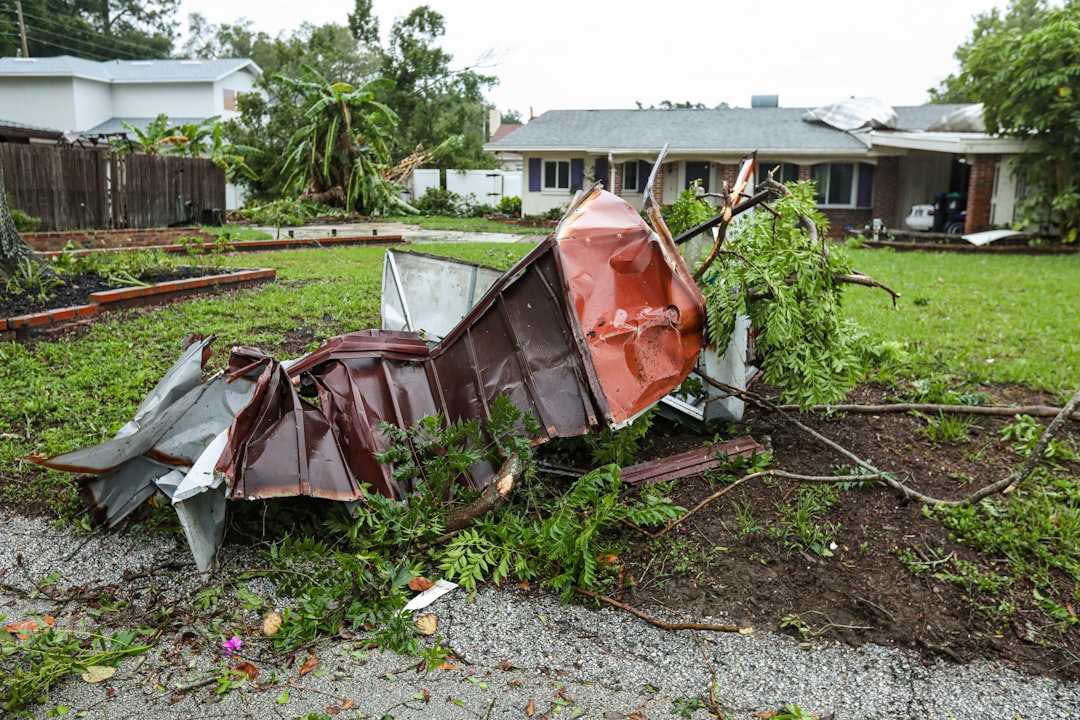
Hurricane roof mitigation is one of the highest-ROI projects a Florida homeowner can undertake. The right combination of upgrades qualifies for state grant funding, insurance premium discounts, and stronger storm performance — often paying back the investment within a few years on insurance savings alone. Most homeowners leave this money on the table because they do not know the programs exist or do not realize their roof already qualifies. This guide walks through the wind mitigation inspection, the discounts that follow it, and the My Safe Florida Home grant program for funding upgrades.
The Wind Mitigation Inspection: The Starting Point
Almost every Florida insurance discount on the wind portion of a homeowner’s policy ties back to a single document: the OIR-B1-1802 wind mitigation inspection form. The form scores your home on seven specific roof and structural features. Each feature contributes to the wind premium discount.
The seven features inspected:
- Building code compliance — when the roof was built, against which version of the Florida Building Code
- Roof covering — material type, condition, and FBC compliance
- Roof deck attachment — nail type, spacing, and pattern attaching the decking to the trusses
- Roof-to-wall attachment — toe-nails, clips, single wraps, or double wraps connecting roof structure to walls
- Roof geometry — hip roofs vs gable roofs (hip roofs perform better in hurricanes)
- Secondary water resistance (SWR) — peel-and-stick membrane under the roof material that resists water intrusion if the surface fails
- Opening protection — impact-rated windows, doors, and garage doors
A licensed inspector documents each feature with photographs and submits the form. The form is valid for five years and gets attached to your insurance policy.
What Each Feature Is Worth
The discount magnitudes vary by carrier, but the order of impact is consistent:
- Roof-to-wall attachment is typically the largest single discount, especially the upgrade from toe-nails to clips or wraps. Double-wrap attachment can earn substantial discounts.
- Roof deck attachment with ring-shank or 8d nails at tight spacing earns meaningful discounts versus older 6d smooth-shank nail patterns.
- Secondary water resistance earns moderate discounts and is required by current FBC for new roofs anyway.
- Hip roof geometry earns a fixed discount versus gable.
- Opening protection combines with roof features for whole-home credits.
- FBC compliance year affects the overall scoring envelope.
The catch: many older homes have features that already qualify for discounts the homeowner never claimed. A wind mitigation inspection on a 1990s home built with hip geometry, decent decking attachment, and a recently re-roofed surface often reveals discounts the homeowner has been eligible for but not receiving for years.
How to Get the Inspection (And the Discounts)
The process:
- Hire a licensed wind mitigation inspector — typically a licensed home inspector, contractor, engineer, or architect with the relevant credential. The inspection costs a modest fee — often a small fraction of the first year’s premium savings.
- The inspector documents your home — exterior photos of the roof geometry and openings, interior photos of the truss attachment (typically accessed via the attic), and verification of code compliance dates from permits or visual evidence.
- The inspector submits the OIR-B1-1802 form with all photographs and documentation.
- Send the completed form to your insurance carrier or agent. Request the wind mitigation credits be applied to your policy.
- Verify the discount on your renewal. Carriers occasionally miss applying credits — verify the wind premium line on the renewal declaration matches the credits the form should have earned.
Discounts apply at the next renewal cycle. The inspection itself is valid for five years; you do not need to repeat it annually, but you do need to update it if you make qualifying upgrades.
My Safe Florida Home: Grant Funding for Upgrades
The My Safe Florida Home program funds hurricane mitigation upgrades for eligible Florida homeowners. The program has been on-again, off-again across legislative cycles — funding levels, eligibility, and program terms change. As of recent program rounds, key features:
- Free wind mitigation inspections for eligible homeowners
- Matching grant funds for qualifying upgrades — typically the state matches a portion of the homeowner’s upgrade cost up to a program cap
- Eligible upgrades typically include roof improvements (roof deck attachment, secondary water resistance, hip roof retrofits where feasible), impact-rated openings, and reinforced doors
The exact terms vary by funding cycle. Before assuming the program is active or has specific terms, check the official MySafeFLHome.com site or call the Florida Department of Financial Services for the current status. The program has been popular enough that funding has been exhausted within months of opening in past cycles — apply early when funding is available.
Even when grant funding is not currently open, the inspection-and-discount pathway is always available — you do not need program funding to capture the insurance discounts.
Roof Upgrades With the Best ROI
If you are considering hurricane mitigation upgrades, the cost-benefit ranking typically lands roughly:
Highest ROI
- Wind mitigation inspection itself — costs little, often unlocks immediate insurance discounts even with no upgrades
- Roof-to-wall attachment retrofit (toe-nails → clips or wraps) — significant insurance discount, structurally meaningful, accessible via the attic
- Secondary water resistance during next re-roof — incremental cost during a planned roof replacement, substantial discount and storm performance benefit
- Opening protection (impact windows, garage door) — large insurance discount, also reduces interior wind damage probability
Moderate ROI
- Roof deck re-nailing during re-roof — adds modest cost during planned re-roofing, earns deck-attachment credits
- Roof geometry retrofits (gable-end bracing) — meaningful storm performance benefit, modest insurance impact
- Hurricane-rated doors and shutters
Lower ROI (But Still Worth Considering)
- Full hip roof conversion — major architectural change, rarely cost-effective just for mitigation credits
- Cosmetic improvements that don’t qualify for credits
The best strategy is sequencing: get the wind mitigation inspection first to identify which discounts you already qualify for, then plan upgrades during the next planned roof or window project rather than as standalone retrofits. The incremental cost during a planned project is usually a fraction of the standalone cost.
After a Storm: Reapply the Mitigation Position
When storm damage roof repair or replacement happens, the new roof should be installed to meet or exceed the wind mitigation features the previous inspection documented. A few specific things to confirm with the contractor:
- Use 8d ring-shank nails at the required spacing for current FBC compliance
- Install secondary water resistance (peel-and-stick membrane) across the entire deck
- Maintain or improve roof-to-wall attachment (if accessible during the project)
- Install hurricane-rated underlayment per FBC requirements
After completion, get a new wind mitigation inspection to document the upgraded features and submit it to your carrier. The premium discount usually exceeds the inspection cost in the first renewal cycle alone.
If the storm damage is on the more serious end and the claim is complex, roofing insurance claim assistance early in the process keeps the documentation aligned with what the carrier will need for both the claim payout and the post-repair mitigation credits.
Frequently Asked Questions
How much can wind mitigation discounts save me on insurance?
The total discount depends on which features your home has and your carrier’s specific rating, but it is common for a fully-qualified Florida home to save a substantial percentage on the wind portion of the premium — often hundreds to over a thousand dollars per year. The wind portion is the largest piece of Florida homeowner premiums in coastal counties.
How long is the wind mitigation inspection valid?
Five years. After five years, the inspection needs to be updated to maintain the discounts. Any qualifying upgrades during the five-year window should be added via an updated inspection sooner rather than later — the discount applies from when the carrier receives the updated form, not retroactively.
Are tax credits available for hurricane mitigation?
Federal tax credits for hurricane mitigation specifically are limited. The Florida-level benefits are through the My Safe Florida Home grant program (when funded) and the insurance premium discounts described above. Sales-tax exemptions on certain hurricane preparedness items run during designated tax holidays each year — these apply to supplies, not major upgrades. Consult a tax professional for the most current applicable credits.
Does my insurance carrier require the wind mitigation inspection?
No — but providing one is the only way to qualify for the wind mitigation discounts. Without the inspection form, you are paying the full wind premium even if your home would qualify for substantial credits.
Can I do the inspection myself to save money?
No — the OIR-B1-1802 form must be completed and signed by a credentialed inspector for the carrier to accept it. The inspection cost is small relative to the discount it typically unlocks.
Capture the Discounts You Already Qualify For
Most Florida homeowners are paying more for insurance than they need to. Start with the wind mitigation inspection — the upfront cost is small and the discount is often immediate. Steel Rudder works with Jacksonville-area homeowners on roof upgrades that maximize wind mitigation credits and storm performance, plus coordination with the inspection and documentation that captures the insurance savings. Service areas include Atlantic Beach and Jacksonville Beach.