
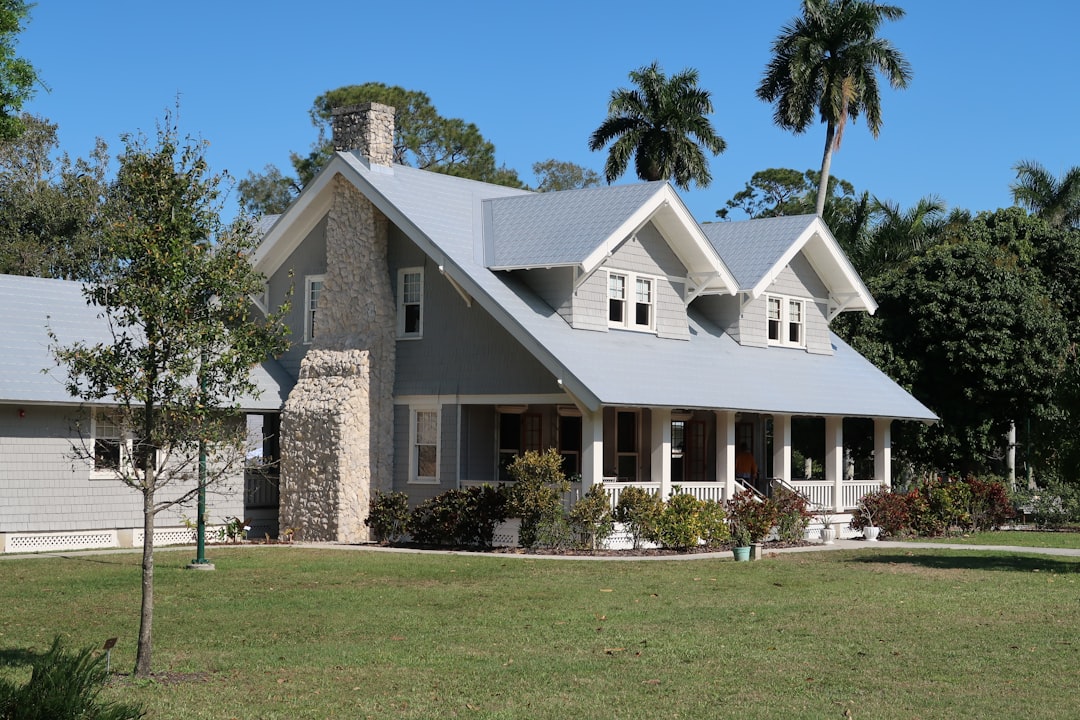
Metal roofing is the fastest-growing residential roof category in Florida, and for good reason. It handles hurricane-force wind better than shingles, lasts two to three times longer, and reflects heat in a way that meaningfully lowers cooling bills. The tradeoff is upfront cost — a metal roof costs more to install than an asphalt one. This guide walks through what a metal roof actually costs in Florida, how long it lasts, what the install looks like, and where it makes sense versus where it does not.
What Metal Roofing Costs in Florida
A residential metal roof in Florida typically costs more per square foot than asphalt shingles, often roughly double. The exact number depends on three things: the metal type (standing seam costs more than corrugated; aluminum costs more than steel), the roof’s complexity (a simple gable is cheaper than a roof with multiple valleys, dormers, and skylights), and tear-off versus overlay.
Three cost categories to ask any contractor about:
- Material cost — the metal panels themselves, fasteners, underlayment, and trim
- Labor cost — installation is more skilled than shingle work, so labor runs higher per square
- Tear-off cost — removing the existing roof down to the decking, hauling debris, and replacing any rotted sheathing before the new roof goes on
A bid that comes in dramatically lower than others usually has one of these stripped out — most often a skipped tear-off, which leaves you with a sandwich of old shingles under new metal that voids warranties and traps moisture. Ask any low bid to itemize tear-off explicitly.
For an apples-to-apples comparison, get roof replacement quotes for both materials before deciding. The metal premium is real, but it amortizes over the roof’s lifespan in a way shingles cannot match.
How Long a Metal Roof Lasts in Florida
A properly installed metal roof in Florida lasts 40 to 70 years. Asphalt shingles, in the same climate, typically last 15 to 25 years before sun, salt air, and storm exposure force a replacement. That gap is the central economic argument for metal — you pay more once instead of replacing two to three times over the same period.
Florida-specific factors that affect actual lifespan:
- Coastal salt exposure accelerates corrosion on bare or low-grade steel. In Jacksonville Beach, Atlantic Beach, and Ponte Vedra, aluminum or coated galvalume substantially outlasts plain galvanized steel.
- UV exposure fades and chalks paint finishes over time. Kynar 500 (PVDF) coatings hold color and chalk-resistance for decades; cheaper polyester coatings fade within 10-15 years.
- Hurricane impact is not a lifespan issue if the roof is installed correctly — properly fastened standing seam panels are rated to withstand sustained winds well above what hurricanes produce in this region. Failures are almost always installation issues, not material failures.
The takeaway: spec the right metal and coating for Florida conditions, and the roof reliably outlasts the home’s other major systems.
What the Installation Process Looks Like
A typical metal roof installation in Florida runs three to five days from tear-off to cleanup. The process:
- Tear-off day — the existing roof comes off down to the decking. The crew inspects the decking and replaces any soft or rotted boards. This is also when any flashing, vent, or pipe-boot issues hidden under the old roof become visible.
- Underlayment installation — a high-temperature synthetic underlayment goes down across the entire roof. For metal roofs in Florida, this layer matters more than under shingles because metal can reach 160°F+ in direct sun. Skip the cheap felt; spec a synthetic rated for the heat.
- Panel installation — panels are cut to length on-site and installed from eave to ridge. Standing seam panels lock into clips fastened to the decking, which lets the metal expand and contract with temperature without tearing the fasteners. Exposed-fastener panels (5V, corrugated) screw directly through the panel and seal with neoprene washers — cheaper, faster, and slightly more failure-prone over decades.
- Trim and flashing — ridge caps, eave drip edge, valley flashing, and pipe boots are installed last. These details are where most leaks start on metal roofs, so this is the step worth watching closely.
- Final inspection and cleanup — the crew walks the roof, checks every fastener and seam, and magnetic-sweeps the yard for stray screws and metal fragments.
A good install crew protects landscaping, manages debris daily instead of letting it pile up, and stays in clear communication if weather delays the schedule. If your contractor disappears between tear-off and panel delivery, that is a red flag — Florida summer rain can soak exposed decking in hours.
Where Metal Makes Sense (And Where It Does Not)
Metal makes the strongest case for:
- Coastal homes where salt air destroys shingles in 10-12 years
- Homes you plan to keep long-term where the 40-70 year lifespan recovers the cost premium
- Energy-conscious owners — reflective metal cuts attic temperatures and lowers AC load measurably
- Hurricane-prone areas where wind ratings matter for insurance and peace of mind
- Steep-slope architectural roofs where standing seam looks intentional and modern
Metal makes a weaker case for:
- Short-term ownership — if you are selling within 5 years, you will not recover the install premium in resale
- Very low-slope roofs under 2:12 — these need specialized standing seam and trained installers; shingles or membrane may be simpler
- HOA-restricted neighborhoods that specify shingle aesthetics — check your covenant before committing
- Tight budgets where the cost premium would force corner-cutting elsewhere (underlayment, decking repair)
What to Ask a Florida Metal Roof Contractor
The bidding process surfaces who knows what they’re doing. Ask every contractor:
- What gauge metal (24-gauge is standard for residential; 26-gauge is thinner and cheaper but weaker)
- What coating (Kynar 500 / PVDF for Florida — accept no substitute on a long-life roof)
- Standing seam or exposed-fastener — and why their recommendation fits your roof
- What underlayment they use (high-temp synthetic, not felt)
- Wind rating of the assembly (panels + fasteners + clips together — single-component ratings are misleading)
- Their warranty terms separated by material (manufacturer) and workmanship (contractor)
- How they handle the existing tear-off and decking repair (itemized, not lumped)
A contractor who answers all of these confidently and in writing is showing you they have done this work before. One who deflects on coatings or gauge is selling on price, not craft. If you are weighing storm-damage repair against full replacement, storm damage roof repair and full replacement quotes both belong in the same conversation — the right answer depends on your roof’s age and the extent of damage, not on what is faster to sell.
Frequently Asked Questions
Is a metal roof loud in rain?
No — modern metal roofs install over a layer of solid decking and synthetic underlayment, which together damp the sound of rain to about the same level as a shingle roof. The “loud metal roof” stereotype comes from old barn-style installs over open purlins with no decking. A residential install on solid sheathing is quiet.
Will a metal roof attract lightning?
No. Lightning strikes the tallest object in an area regardless of material. A metal roof does not increase the likelihood of a strike, and because metal is non-combustible, it actually reduces the fire risk if a strike does occur. Insurance carriers treat metal as a net-positive for lightning risk, not a liability.
Can I install metal over my existing shingles?
Technically yes, legally yes in most Florida jurisdictions, but practically no. Overlay installs trap moisture, void most manufacturer warranties, hide rotted decking that should be repaired, and add weight that the structure may not be rated for. A real tear-off costs more upfront and saves problems for the life of the roof.
How does a metal roof affect my home insurance?
In Florida, most carriers offer premium discounts for metal roofs with documented wind ratings, often 10-25% off the wind portion of the policy. Provide the carrier with the wind-rating certification and installation invoice; the discount usually applies at the next renewal. Roofing insurance claim assistance before installation can also confirm what documentation your specific carrier requires.
Get a Florida Metal Roof Quote
A metal roof is a 40-70 year decision. Get a detailed, itemized quote that covers material gauge, coating, underlayment, wind rating, and tear-off scope — and compare against an equivalent shingle quote so you can make the cost-versus-lifespan tradeoff with real numbers. Steel Rudder installs metal roofing across Jacksonville, Atlantic Beach, Ponte Vedra, and the surrounding Duval and St. Johns county areas. Service areas include Mandarin and Atlantic Beach.