
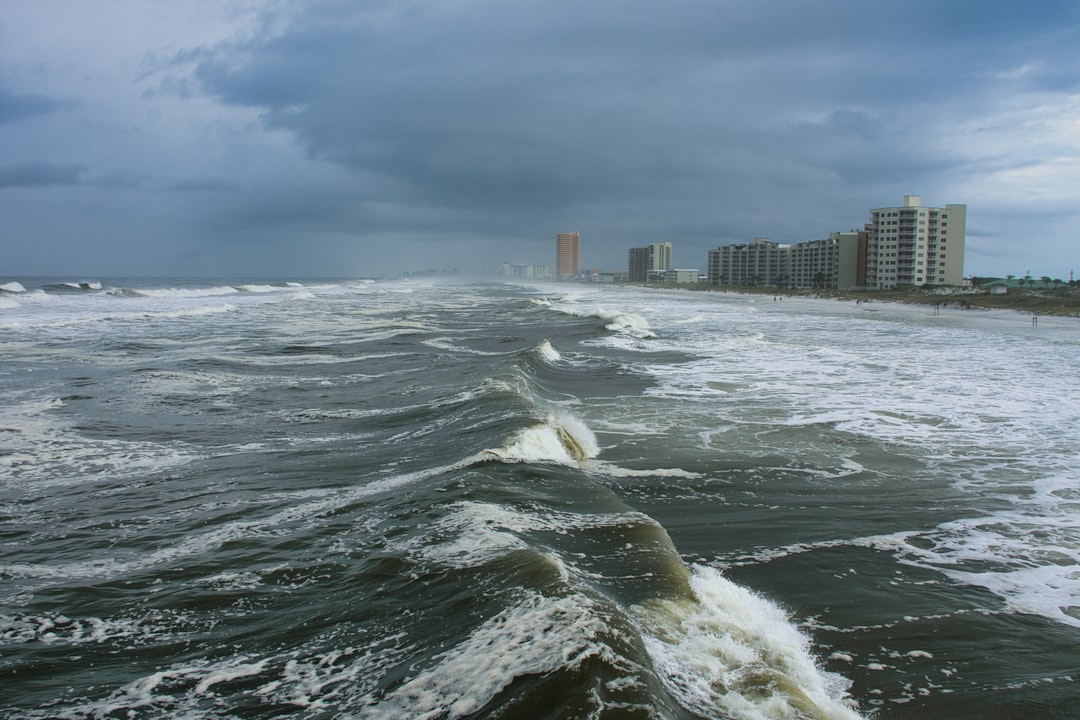
Florida hurricane season runs June through November, and the work that keeps your roof intact during a storm is almost entirely done before the first tropical system forms. Most catastrophic roof failures during hurricanes are not caused by the storm alone — they are caused by small pre-existing issues that the storm exploits. This checklist walks through the seven preparation steps every Florida homeowner should complete before peak season.
Step 1: Schedule a Pre-Season Roof Inspection
The single highest-value action you can take before hurricane season is a documented professional roof inspection. A licensed roofer brings a structured methodology — usually including drone imagery and a written report — that catches the loose shingles, lifted flashing, and soft decking that a homeowner walking around the yard cannot see.
The inspection report becomes critical the moment a storm hits. Insurance carriers compare post-storm conditions against pre-storm baselines, and a recent professional report makes claims dramatically easier to substantiate. Without it, the carrier can argue any damage was pre-existing — and they often do.
If you have not had your roof inspected in the past twelve months, this is the first call to make. Roof inspections before May give you time to schedule repairs before the season starts.
Step 2: Address Every Issue the Inspection Surfaces
Inspections only matter if you act on what they find. The most common pre-season findings on Florida roofs are:
- Lifted or missing shingles along the eaves and ridges, often from previous wind events
- Cracked or loose flashing around chimneys, vents, and skylights — the most common source of slow leaks
- Soft spots in the decking where moisture has compromised the structure underneath
- Clogged or detached gutters that will overflow under tropical rainfall volume
Fix the obvious problems before storm season. A loose shingle in May is a $50 repair. The same loose shingle in September becomes the entry point for water that destroys a ceiling. If the issues are substantial, full roof replacement before the season is usually cheaper than emergency repair during it.
Step 3: Document the Roof’s Current Condition
Even if your roof is in great shape, photograph it before the season starts. From the ground, take wide shots of every elevation. From the attic, photograph the underside of the decking and any visible flashing. Save the images with a clear date.
This documentation matters for two reasons. First, if a storm causes damage, the before/after comparison is the cleanest evidence for an insurance claim. Second, if you sell the home or change carriers, recent documentation supports the roof’s stated condition.
Cloud-store the photos — phone storage is not reliable through a hurricane evacuation.
Step 4: Check the Attic and Decking from Inside
Pre-storm attic checks reveal problems invisible from outside. On a sunny day, go up into the attic with a flashlight off. Pinpoints of daylight through the roof boards mean there are existing holes — these will turn into water entry points the moment rain hits. Damp insulation, water stains on the decking, or a musty smell all mean water is already getting in somewhere, slowly.
These are the conditions a storm turns from “minor issue” into “interior ceiling collapse.” Address them before the season, not during it.
Step 5: Secure Everything That Could Become a Projectile
Hurricane wind damage to roofs is often not direct — it is from objects the wind picks up and slams into the roof at high speed. Patio furniture, grills, planters, palm fronds, and unsecured outdoor decorations all become projectiles in 100+ mph wind.
Before peak season, walk the perimeter of your home and identify anything that could move in a high wind. Either store it indoors before each storm or anchor it permanently. Trim back tree branches that overhang the roof — limbs that snap during storms cause direct impact damage and tear off roofing material on the way down.
Step 6: Pre-Plan Your Emergency Response
If a storm causes damage, the speed of your response matters. Carriers and contractors both get slammed in the 48 hours after a hurricane, and homeowners who have not pre-planned end up at the back of the line.
Before the season starts:
- Save your roofer’s emergency number in your phone. Steel Rudder offers emergency roofing response across the Jacksonville metro — having the number saved before you need it is the difference between same-day tarp service and a three-day wait.
- Save your insurance carrier’s claim line and policy number in a place you can access without power. Storm-damage claims have time-sensitive notification requirements.
- Identify safe temporary tarping supplies. A few heavy-duty tarps and a roll of construction-grade plastic stored in the garage can keep water out of the home in the hours between damage and a professional response.
Step 7: Review Your Insurance Policy Now, Not After
Insurance policies are full of language you will not parse correctly when stressed and water is coming through the ceiling. Read the policy in May while it is still abstract. Specifically check:
- Hurricane deductible — separate from standard deductible, often a percentage of dwelling coverage
- Roof age clauses — many Florida carriers limit coverage on roofs over 15 or 20 years old
- Documentation requirements — what photos, inspections, and timeline windows the carrier requires for a valid claim
- Replacement cost vs actual cash value — these produce dramatically different payouts on an aging roof
Roofing insurance claim assistance is a service many roofers offer alongside repairs because the paperwork side of a claim is often where homeowners lose value they were entitled to. Knowing your policy before the season starts puts you in a much stronger position when you need to invoke it.
Frequently Asked Questions
When should I get a pre-hurricane roof inspection?
The ideal window is April through May, before tropical activity starts in June. Inspections in this window give you time to schedule repairs before peak season and ensure your insurance documentation is recent enough to support a post-storm claim.
Do I need to do anything to my roof before every individual storm?
For most named storms with 48–72 hours of warning, the per-storm prep is minimal if your pre-season work is done. Secure outdoor items, photograph current conditions one more time, and confirm your insurance and roofer contacts are accessible. The major work should already be complete.
What if I cannot afford pre-season repairs?
Prioritize ruthlessly. The biggest risk reductions come from securing loose shingles, fixing flashing leaks, and addressing visible decking issues. Cosmetic items can wait. Many roofers offer financing for storm-prep work, and the cost of a pre-season repair is almost always less than the cost of a post-storm emergency repair plus insurance deductibles.
How long should a Florida roof last in storm conditions?
Asphalt shingle roofs in Florida typically last twelve to twenty years depending on quality and maintenance. Metal roofs often last forty to sixty. Roofs at the end of their useful life are the most vulnerable in hurricane conditions — if your roof is nearing the end of its expected lifespan, pre-season replacement is often the highest-value protective action.
Does insurance cover preventive roof work?
Standard homeowner insurance covers damage, not maintenance. Pre-season repairs come out of pocket. However, some carriers offer premium discounts for documented maintenance and recent inspections, so the math often works out better than it initially looks.
Schedule Your Pre-Season Inspection
Hurricane season is the wrong time to discover a roof problem. Steel Rudder Roofing offers pre-season inspections across the Jacksonville metro area — including Ponte Vedra, Mandarin, and Atlantic Beach — with written reports formatted for insurance documentation. Contact us before June to get on the calendar while inspection slots are still available.